Fertility testing provides clarity, identifies potential issues, and helps you plan your next moves with confidence. Whether you’ve been trying for a while, are experiencing irregular cycles, or simply want reassurance about your reproductive health, understanding the right time for fertility testing can make the journey easier and more informed.
Many women in the UK experience changes in their menstrual cycle without realising that thyroid issues could be the cause. The thyroid gland plays a vital role in regulating hormones that influence your period, fertility, and overall reproductive health.
Menopause is a natural phase in every woman’s life, yet it often comes with confusion, discomfort, and unanswered questions. For women in London, navigating menopause can feel like walking through a maze of symptoms, treatments, and lifestyle changes.
If you’ve been hearing more about hormone replacement therapy (HRT) lately, you’re not alone. Across the UK, particularly in bustling cities like London, women are turning to HRT as a solution for managing the often-debilitating symptoms of menopause.
Let’s dive into what you need to know about spotting the early warning signs, understanding the causes, and knowing exactly when to seek medical advice.
For many women, their menstrual cycle is a barometer of overall health. However, obesity can throw this delicate balance into disarray. Excess body fat disrupts hormone production, leading to irregular periods, heavy bleeding, or missed cycles altogether.
Vaginal infections are something most women encounter at least once in their lifetime. Whether it’s the dreaded itch of thrush, the fishy odour of bacterial vaginosis (BV), or a pesky yeast infection, these conditions can disrupt your daily life and confidence.
Cervical cancer is a topic that often flies under the radar, yet it affects thousands of women in the UK every year. According to Cancer Research UK, cervical cancer is one of the most preventable forms of cancer if caught early through regular screening.
Hormonal imbalances are more than just a buzzword - they’re a reality for many women across the UK. Whether you’re dealing with unexplained weight gain, mood swings, or irregular periods, these symptoms can feel overwhelming and isolating.
So, if you’ve been wondering what causes irregular periods in the UK, this blog is here to help. We’ll explore the reasons behind them, when to see a doctor, and how to manage them naturally or medically.
Pelvic Inflammatory Disease, or PID, is a condition that often flies under the radar but can have serious consequences if left untreated. It’s an infection of the female reproductive organs, including the uterus, fallopian tubes, and ovaries, and it affects thousands of women across the UK every year.
While smoking might seem like a stress-reliever or social ritual, its impact on reproductive health is profound and far-reaching. From undermining fertility and complicating IVF treatments to posing grave risks during pregnancy, smoking leaves no aspect of reproductive wellness untouched.
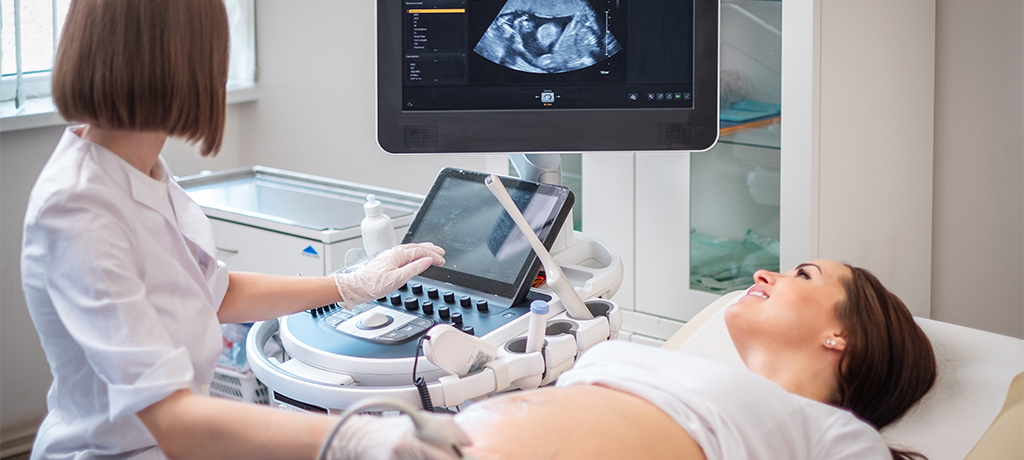
If you’ve been advised to book a gynaecological ultrasound, you’re likely wondering what it entails and how to prepare. Put simply, this non-invasive imaging test uses sound waves to create detailed pictures of your pelvic organs, including the uterus, ovaries, and fallopian tubes.
Heavy periods – also known as menorrhagia – are more than just an inconvenience. They can disrupt your daily life, leaving you feeling exhausted, anxious, and even isolated.
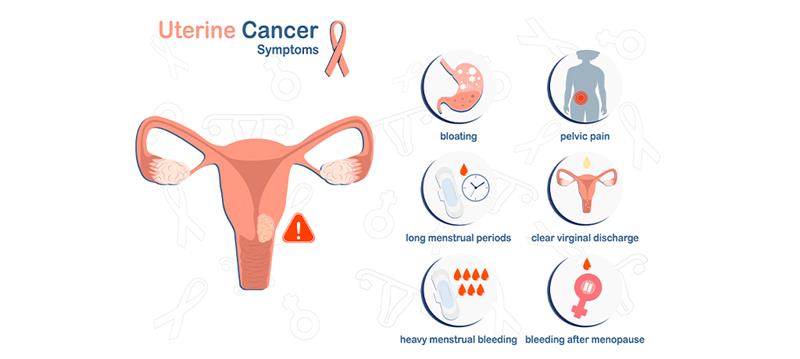
It's a fact we'd all rather not think about, but ovarian cancer is a reality for thousands of women across the UK every year. It's one of the most common gynaecological cancers, and while those words might sound scary
Chronic stress is more than just feeling overwhelmed — it can significantly impact women’s reproductive health. For many women in the UK, busy lifestyles, demanding careers, and personal pressures often contribute to ongoing stress.
Choosing the right contraception is an important decision that affects your health, lifestyle, and peace of mind. With so many options available in the UK - from pills and patches to long-acting methods like coils and implants - it can feel overwhelming to decide which suits you best.
Cervical screening, often referred to as a smear test, is one of the most important health checks a woman can have. It’s not just another appointment on your calendar; it’s a powerful tool that helps detect changes
Women’s health is a cornerstone of overall well-being, yet it often takes a backseat in our busy lives. Whether you’re juggling work, family, or personal goals, prioritizing your health can feel like just another task on the to-do list.
Menstrual pain, or dysmenorrhea, is a common experience for many women in the UK. Whether it’s mild discomfort or debilitating cramps, this monthly challenge can disrupt work, social plans, and even your mood.
If you’re considering a private cervical screening (smear test) in London, you probably want two things: a calm, professional experience and straight answers
Women’s health is a vital yet sometimes overlooked part of overall wellbeing. In recent years, there has been a growing awareness in the UK about the importance of addressing women’s health concerns early rather than ignoring them.
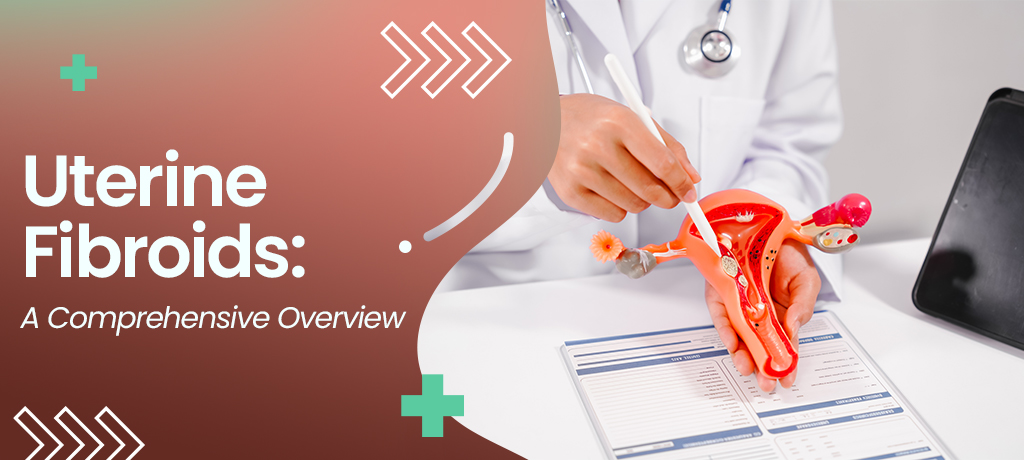
Uterine fibroids are common, non-cancerous growths in the uterus that usually develop during reproductive years. Also known as myomas, they vary widely in size and number. Some are microscopic, while others can grow as large as a grapefruit or more, potentially distorting the uterus and even filling the pelvis or abdomen.
All content on this website is provided as information only and should not be a replacement for medical advice from a registered professional. For any questions or concerns about your medical condition and/or deterioration of your state of health, it is essential to always consult your doctor. The diagnoses of your health practitioner are of paramount importance, superseding any information on this website. The information contained on this website is not a substitute for appointments with your doctor, including regular health checks as recommended by the GMC. By continuing to use this site, you agree to always ask your doctor for advice before putting into practice any information contained on this site. Only practice the advice given or validated by your doctor. If you do not agree with these conditions and our general terms and conditions of use, you may not use this site

 South Kensington Tube.



-in-the-UK.jpg)















.jpg)


-in-London-results-timeline,-HPV-positive-meaning-&-next-steps.jpg)